
Heat Treatment Furnace
How It Is Used
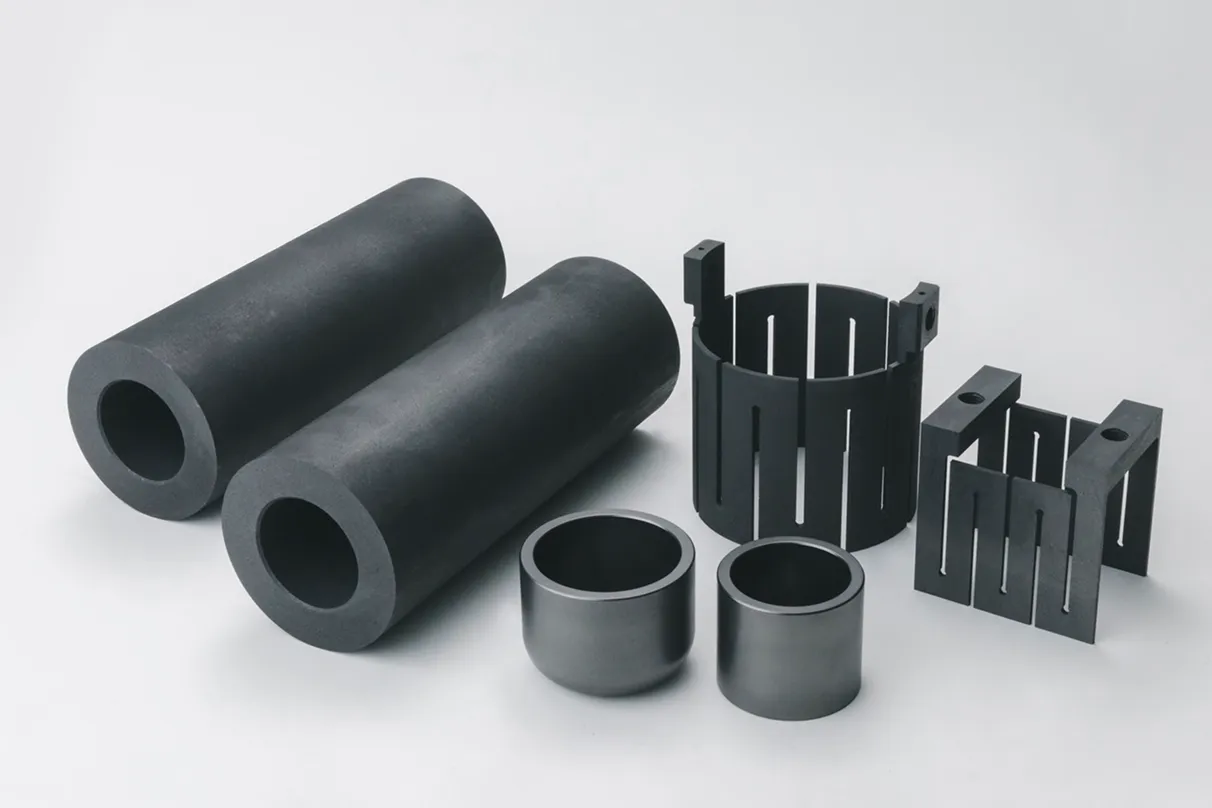
Taking advantage of its heat resistance, various heat treatment furnace components are made from graphite. These include heaters, carbon sleeves, crucibles, and setters.
Application Examples
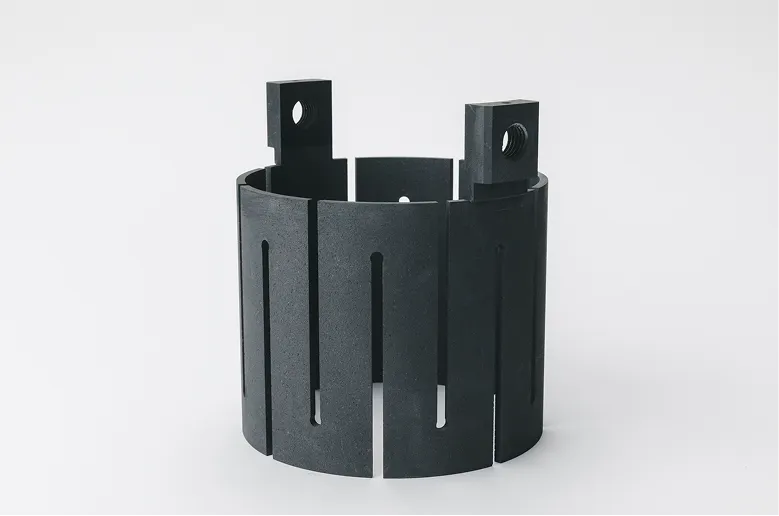
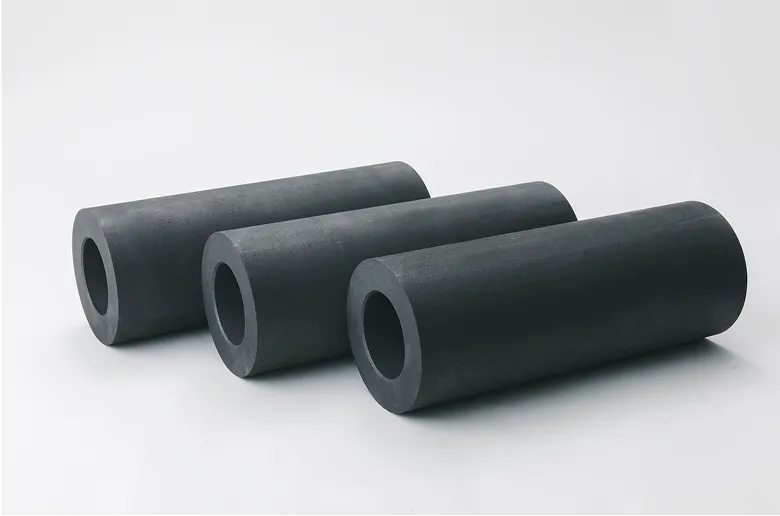
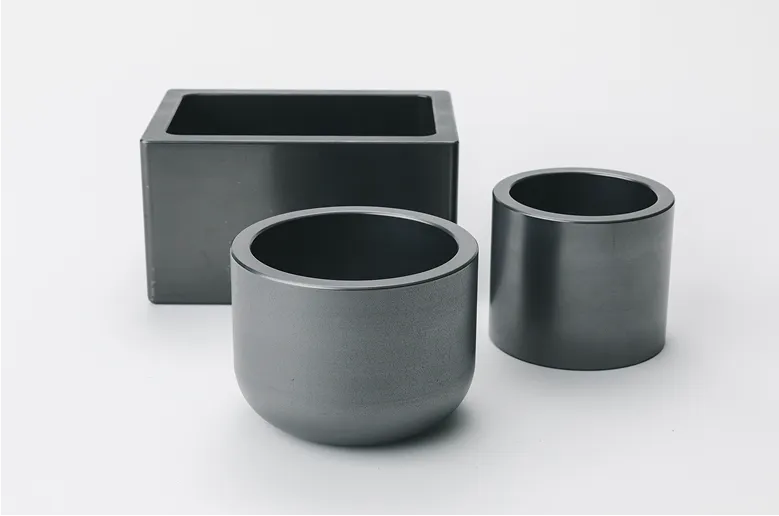
Graphite is used as a heater by passing electric current through it to generate self-heating.
Graphite has high efficiency in converting electricity to thermal energy, which can reduce energy costs.
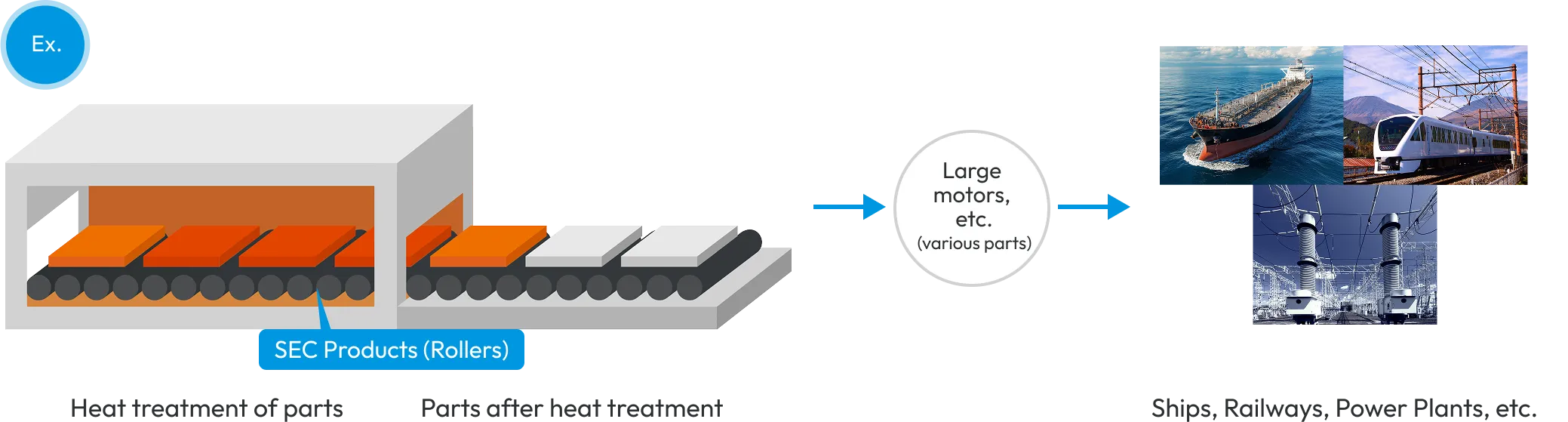
Graphite has high heat resistance and a long lifespan, and it can be used up to 3000°C in an inert atmosphere. Additionally, its self-lubricating property prevents damage to counterpart materials, making it suitable for use as rollers to transport steel plates in high-temperature furnaces. Furthermore, graphite is utilized in a wide range of components, including crucibles, trays, and many other applications.
The Advantages of SEC Carbon Products for Heat Treatment Furnace
Excellent Heat Resistance
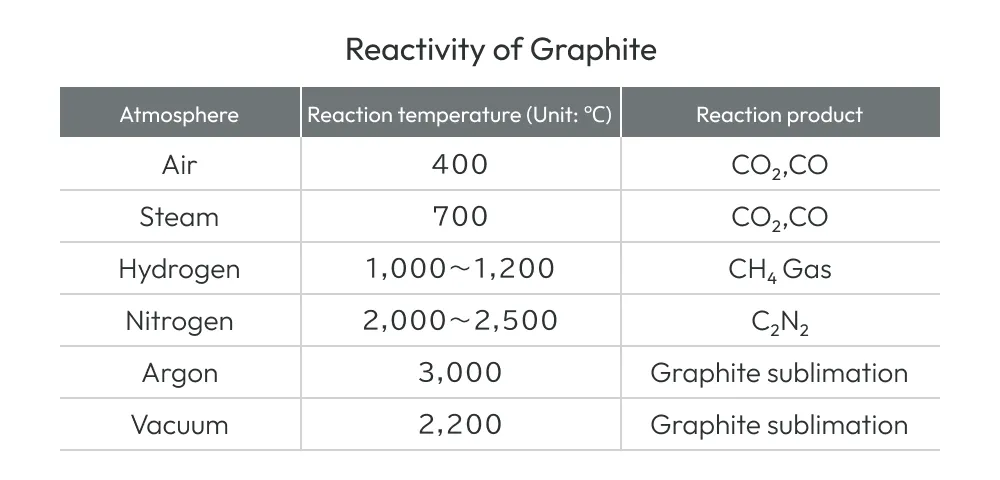
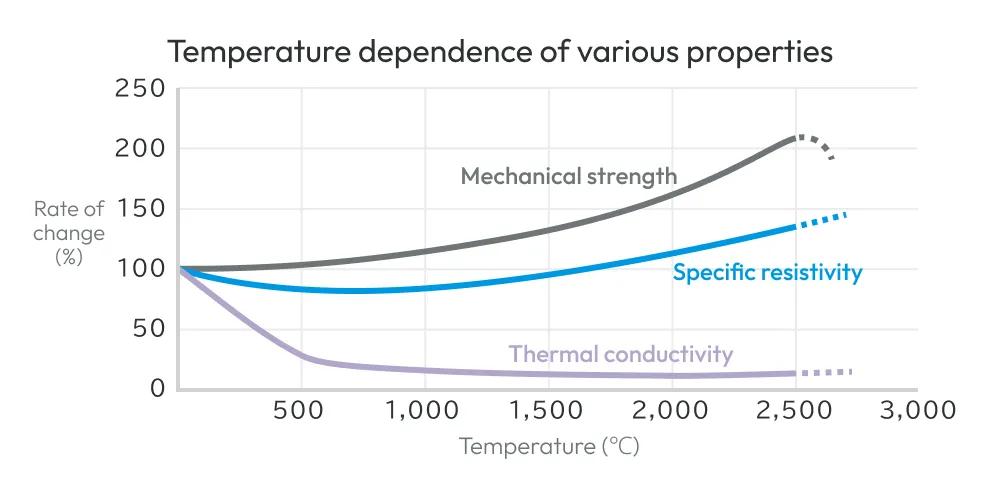
Our Graphite can be used up to approximately 3,000℃ in inert atmospheres and up to about 400℃ in oxidizing atmospheres. One of special characteristics of graphite is that mechanical strength increases as the temperature gets higher up until 2,500℃ in inert atmospheres.
Low Coefficient of Thermal Expansion
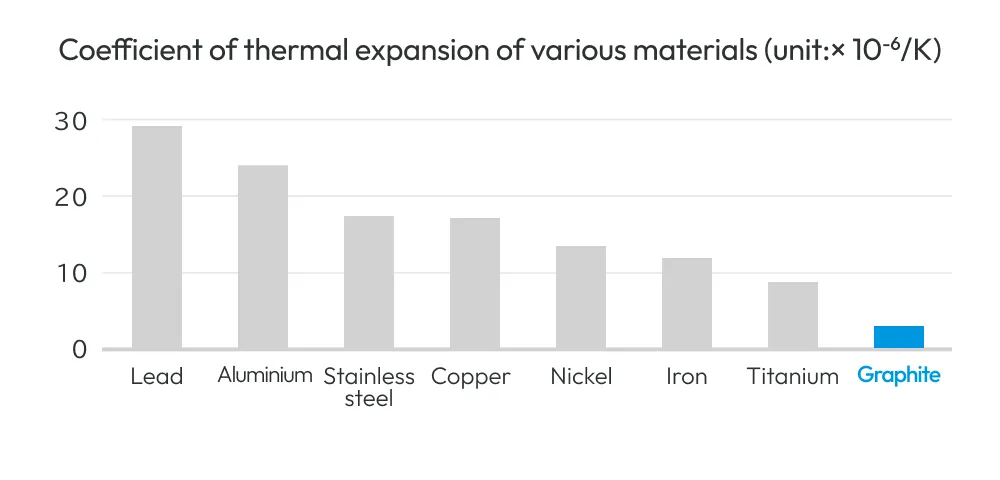
The coefficient of thermal expansion is less than half that of metals such as iron and copper.
Excellent Thermal Shock Resistance
Our Graphite is extremely resistant to the appearance of cracks and fractures even when exposed to sudden heating or cooling.
Self-lubricating and Excellent Sliding Properties
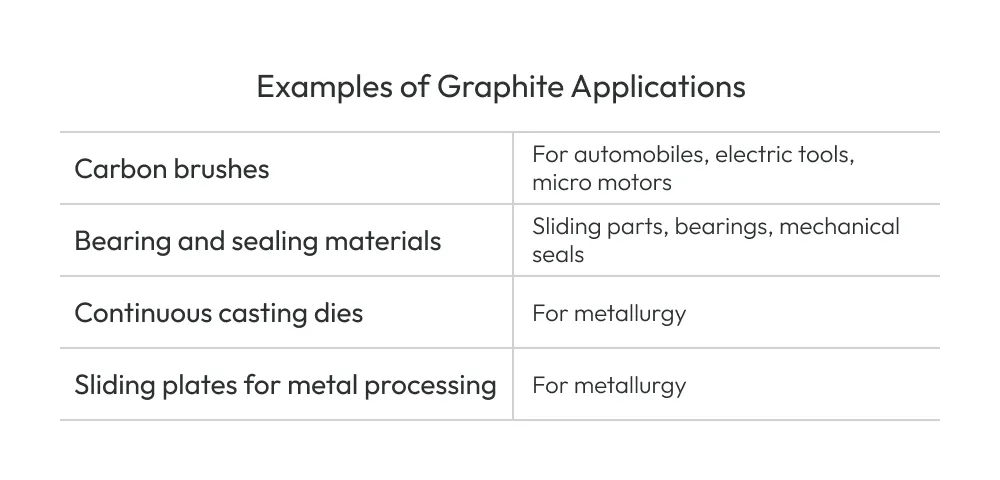
Our Graphite has self-lubricating properties and does not damage the counterpart material.
Lightweight and Easy to machining
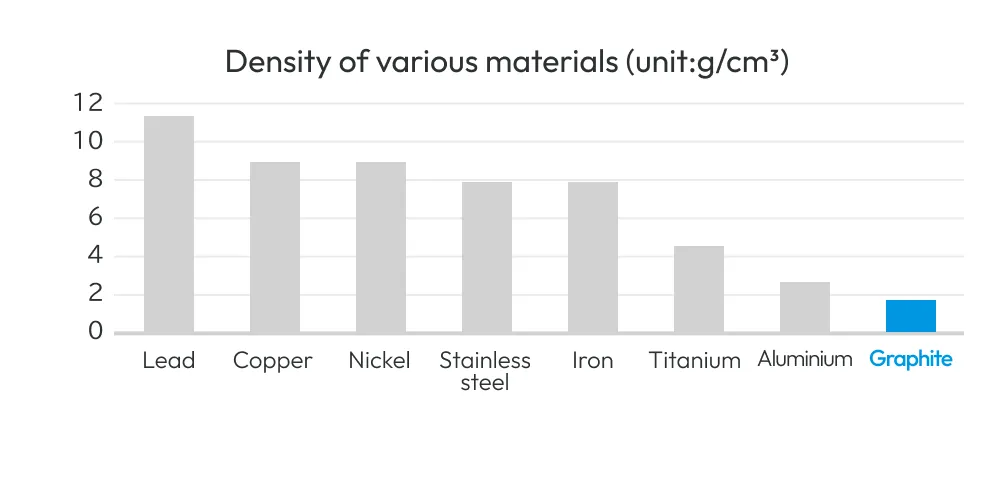
The density of carbon materials is lower than that of aluminium and less than one-third that of iron or copper. Additionally, it is easy to machine and allows for complex and precise machining.

(Technical) Specification
| Grade | Size (mm) |
Coefficient of thermal expansion (×10⁻⁶/K) |
Thermal conductivity (W/mk) |
Ash content (%) |
Features | |
|---|---|---|---|---|---|---|
| Rectangular | PSG-332 | 670 × 450 × 3170 | 1.0 | 240 | 0.03 |
This is a grade characterized by high density, low thermal expansion coefficient, low ash content, and high thermal conductivity. It is also a grade with excellent oxidation resistance and thermal shock resistance. |
| PSG-12 | 670 × 450 × 3000 | 4.5 | 170 | 0.15 |
This is a grade with excellent high strength and wear resistance. It offers excellent cost performance and is recommended for environments with severe physical wear. |
|