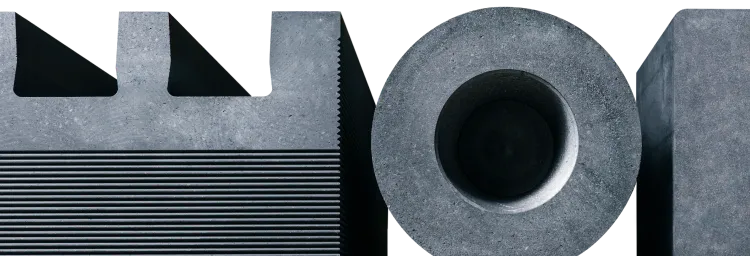

glance
Quick Guide to SEC CARBON
 IR Information Menu
SEC Carbon at a glance
Quick Guide to SEC CARBON
“What kind of products do they make?” “Where do they stand in the industry?”
We provide a clear and simple explanation of our strengths and appeal.
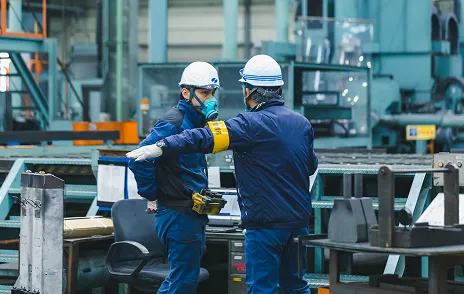
What kind of company is this?
Business
SEC CARBON: Supporting Industry Behind the Scenes
SEC CARBON’s carbon products are not directly visible in everyday life.
But in fact, they play a vital role at manufacturing sites—used as blocks for aluminum refining or electrodes
for
melting steel scrap.
They are also essential for making automotive and home appliance components.
These are the unseen materials that support our daily lives.
SEC CARBON’s products truly work “behind the scenes.”
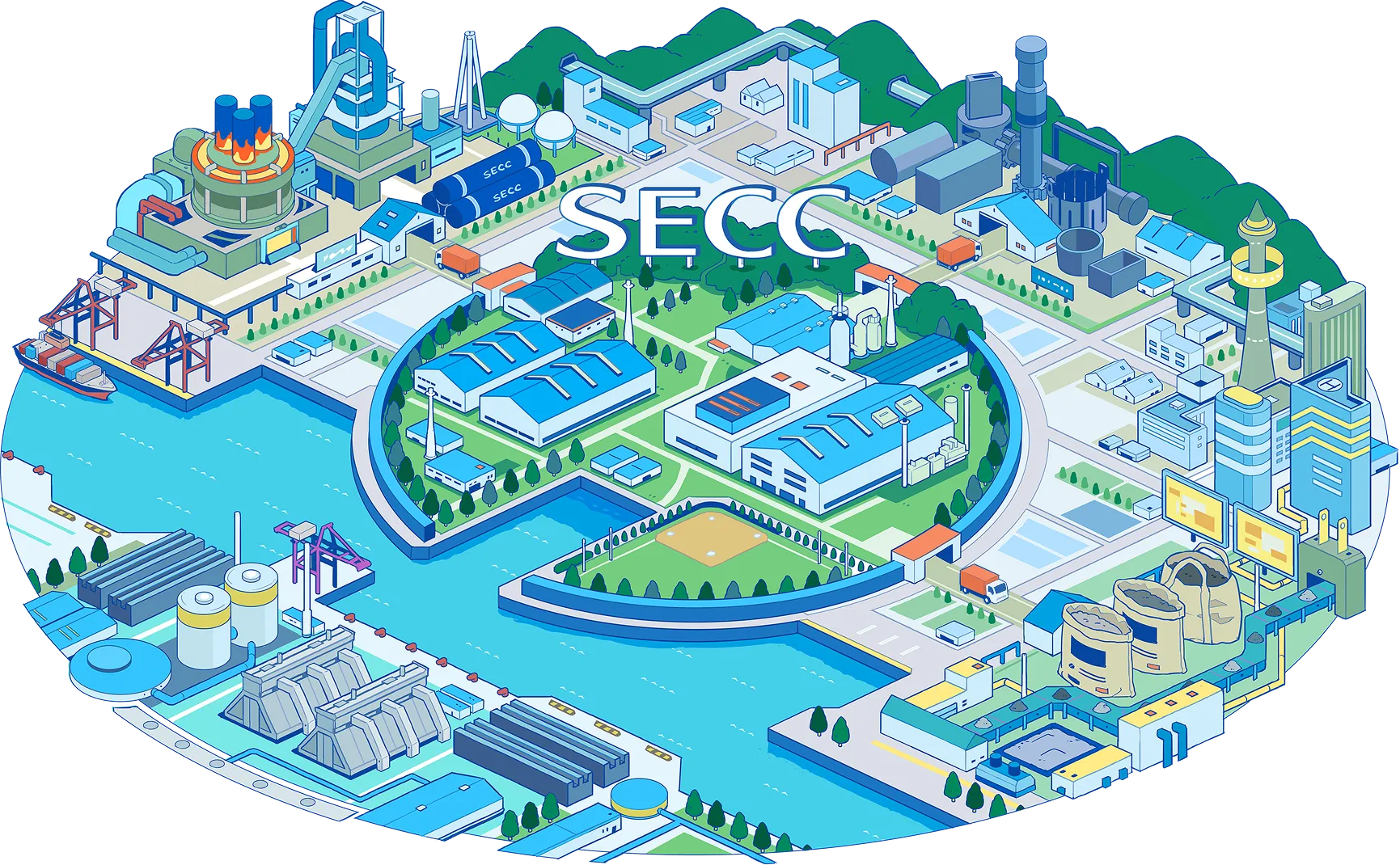




SEC CARBON in Figures
Data
Net Sales
31.1
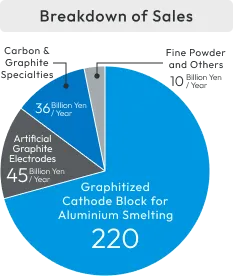
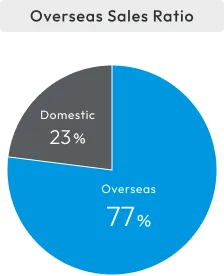
billion yen (FY2024 result)We actively operate in the global market, conducting business with many overseas companies. Centered on our mainstay product—Graphitized Cathode Block for Aluminium Smelting—we have established a stable revenue base by responding to diverse industry needs.
Foundation
1934
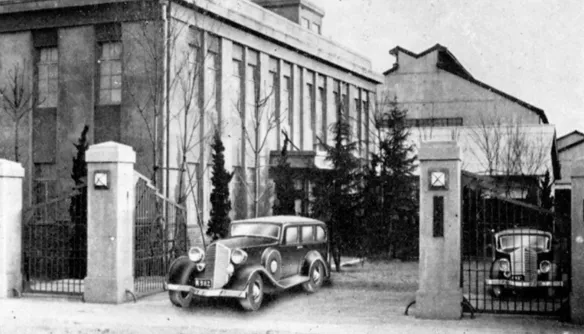
Since our founding, we have consistently been engaged in the production of carbon products. We will continue to support a wide range of industries through carbon.
Total Factory Area
50,000
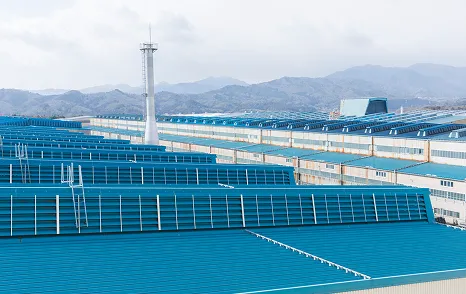
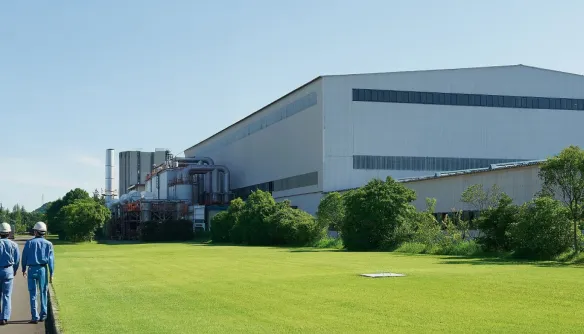
m²Our main factory, located in Fukuchiyama City, Kyoto Prefecture, covers approximately 50,000 m² (equivalent to 13 baseball fields).
Global Market Share of Graphitized Cathode Block for Aluminium Smelting (SK-B®)
40
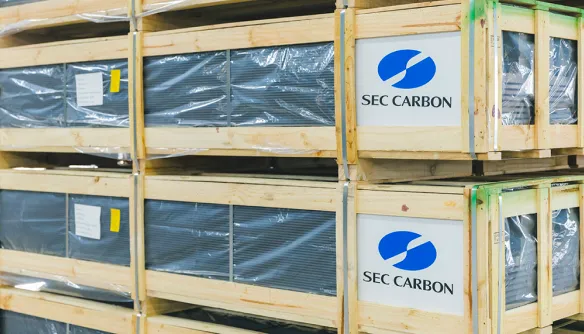
% Estimated market share excluding ChinaOur main product, Graphitized Cathode Block for Aluminium Smelting (SK-B®), holds a top-tier share in the global market (excluding China). We estimate that our core product, SK-B® cathode blocks for aluminum smelting, holds a top-class share in the global market (excluding China) for graphitized cathode blocks.
History
History
SEC CARBON, Ltd. traces its roots to two historically significant entities: SEC CARBON (originally Showa Electrode Co., Ltd.) and Kyowa Carbon, which merged in 1986. By combining their respective strengths, today’s SEC CARBON was formed.
CARBON
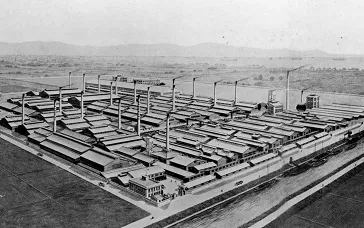
1934
Showa Electrode Co., Ltd. established
The following year, Naruo Plant (Nishinomiya, Hyogo Prefecture) commenced operations.

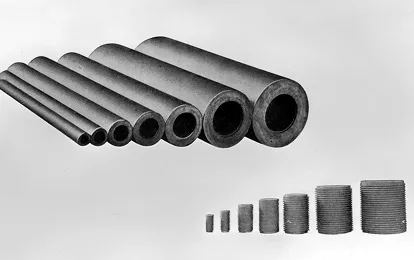
1962
Succeeded in domestic production of the world’s largest 24-inch graphite electrode
This achievement laid the foundation as a major large-diameter electrode manufacturer.
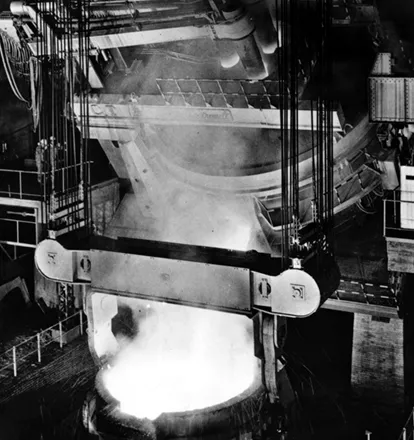
1974
Relocated factory from Naruo (Nishinomiya) to Kyoto (Fukuchiyama)
In response to growing pollution concerns, the company aimed to build the world’s most advanced pollution-free facility.
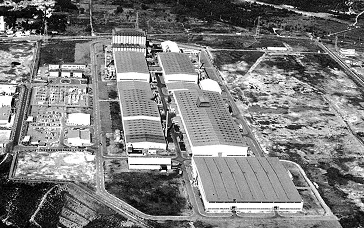
Establishment of Management Principle
To unite the company during the full relocation of the plant, a management principle was established in 1973. This management principle, emphasizing stakeholder-oriented management, continues to be upheld today.
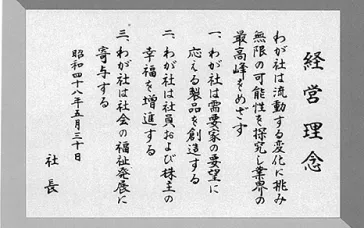
1984
Renamed to SEC Corporation
Since the 1950s, the company had been referred to as “SEC”, derived from the initials of SHOWA ELECTRODE Co.
In 1984, the word “Electrode” was removed from the company name, marking a strategic shift away from being an electrode-specialized company.
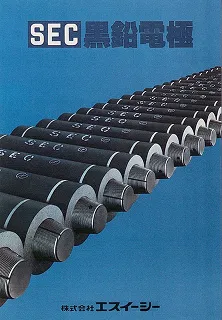
Began production and sales of 28-inch Artificial Graphite Electrodes

Carbon
1929
Pitchcokes Co., Ltd. established
Predecessor company of Kyowa Carbon
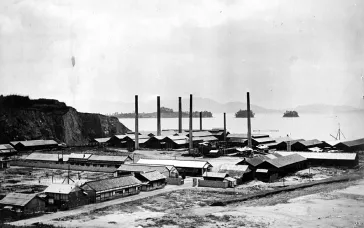
1945
Renamed to Kyowa Carbon Co., Ltd.
1961
Initiated development of Graphitized Cathode Block for Aluminium Smelting
1970
Filed patent for Graphitized Cathode Block for Aluminium Smelting
1971
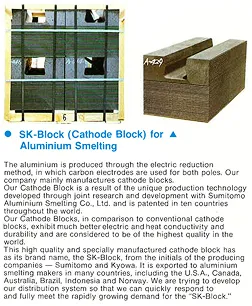
“SK-B” adopted as product name
Derived from the initials of Sumitomo Chemical and Kyowa Carbon, SK-B stands for Sumitomo Kyowa Block, the result of their joint development.
Due to the surge in electricity costs triggered by the oil shock in the 1970s, the aluminium smelting industry—which requires massive electricity—virtually disappeared from Japan by the 1980s.Our cathode blocks began to be exported in the late 1970s, and domestic sales ended in 1986. Since then, the entire production has been for export.
1986
SEC Corporation and Kyowa Carbon Co., Ltd. merged
1986
Full-scale production of fine powder began
Utilizing advanced graphitization technology, the company achieved stable, high-purity graphite powder production.
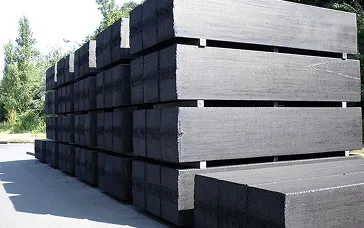
Full-scale production of Carbon & Graphite Specialties (large extruded materials) began
1992
Relocation of Okayama Plant from Ushimado to Saidaiji
Due to limited space in Ushimado, the plant was relocated to Saidaiji (Higashi-ku, Okayama City). Saidaiji became specialized in processing carbon & graphite specialties, and production in Ushimado was consolidated to the Kyoto Plant.
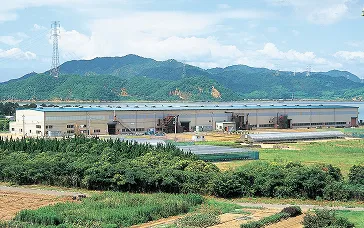
Signed “Quality Agreement” with Pechiney
Our cathode blocks were recognized for their quality by Pechiney (now part of Rio Tinto), a global leader in aluminium smelting technology. As a result, our blocks came to be recommended for use at world-class smelting plants, establishing them as a global standard.
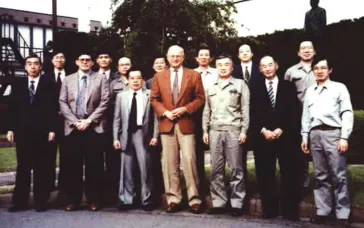
1995
Started production and sales of 30-inch Artificial Graphite Electrodes
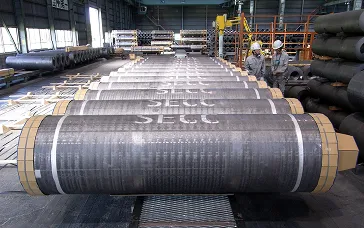
2006
Renamed to SEC Carbon, Ltd.
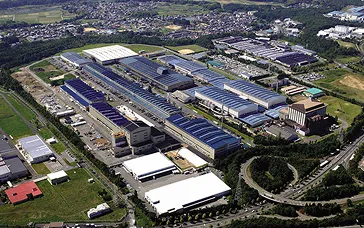
2011
Expanded Kyoto Plant with dedicated Graphitized Cathode Block for Aluminium Smelting
The Kyoto Plant became one of the world’s largest carbon production facilities.
2020
Acquired university-launched startup “IMSEPP” as subsidiary – advancing toward carbon neutrality
Joint research is being conducted to produce carbon materials using CO₂ as a raw material.
カーボン
1934
Showa Electrode Co., Ltd. established
The following year, Naruo Plant (Nishinomiya, Hyogo Prefecture) commenced operations.
1962
Succeeded in domestic production of the world’s largest 24-inch graphite electrode
This achievement laid the foundation as a major large-diameter electrode manufacturer.
1974
Relocated factory from Naruo (Nishinomiya) to Kyoto (Fukuchiyama)
In response to growing pollution concerns, the company aimed to build the world’s most advanced pollution-free facility.
Establishment of Management Principle
To unite the company during the full relocation of the plant, a management principle was established in 1973. This management principle, emphasizing stakeholder-oriented management, continues to be upheld today.
1984
Renamed to SEC Corporation
Since the 1950s, the company had been referred to as “SEC”, derived from the initials of SHOWA ELECTRODE Co.
In 1984, the word “Electrode” was removed from the company name, marking a strategic shift away from being an electrode-specialized company.
Began production and sales of 28-inch Artificial Graphite Electrodes
1986
SEC Corporation and Kyowa Carbon Co., Ltd. merged
1986
Full-scale production of fine powder began
Utilizing advanced graphitization technology, the company achieved stable, high-purity graphite powder production.
Full-scale production of Carbon & Graphite Specialties (large extruded materials) began
1992
Relocation of Okayama Plant from Ushimado to Saidaiji
Due to limited space in Ushimado, the plant was relocated to Saidaiji (Higashi-ku, Okayama City). Saidaiji became specialized in processing carbon & graphite specialties, and production in Ushimado was consolidated to the Kyoto Plant.
Signed “Quality Agreement” with Pechiney
Our cathode blocks were recognized for their quality by Pechiney (now part of Rio Tinto), a global leader in aluminium smelting technology. As a result, our blocks came to be recommended for use at world-class smelting plants, establishing them as a global standard.
1995
Started production and sales of 30-inch Artificial Graphite Electrodes
2006
Renamed to SEC Carbon, Ltd.
2011
Expanded Kyoto Plant with dedicated Graphitized Cathode Block for Aluminium Smelting
The Kyoto Plant became one of the world’s largest carbon production facilities.
2020
Acquired university-launched startup “IMSEPP” as subsidiary – advancing toward carbon neutrality
Joint research is being conducted to produce carbon materials using CO₂ as a raw material.
Carbon
1929
Pitchcokes Co., Ltd. established
Predecessor company of Kyowa Carbon
1945
Renamed to Kyowa Carbon Co., Ltd.
1961
Initiated development of Graphitized Cathode Block for Aluminium Smelting
1970
Filed patent for Graphitized Cathode Block for Aluminium Smelting
1971
“SK-B” adopted as product name
Derived from the initials of Sumitomo Chemical and Kyowa Carbon, SK-B stands for Sumitomo Kyowa Block, the result of their joint development.
Due to the surge in electricity costs triggered by the oil shock in the 1970s, the aluminium smelting industry—which requires massive electricity—virtually disappeared from Japan by the 1980s.Our cathode blocks began to be exported in the late 1970s, and domestic sales ended in 1986. Since then, the entire production has been for export.
1986
SEC Corporation and Kyowa Carbon Co., Ltd. merged
1986
Full-scale production of fine powder began
Utilizing advanced graphitization technology, the company achieved stable, high-purity graphite powder production.
Full-scale production of Carbon & Graphite Specialties (large extruded materials) began
1992
Relocation of Okayama Plant from Ushimado to Saidaiji
Due to limited space in Ushimado, the plant was relocated to Saidaiji (Higashi-ku, Okayama City). Saidaiji became specialized in processing carbon & graphite specialties, and production in Ushimado was consolidated to the Kyoto Plant.
Signed “Quality Agreement” with Pechiney
Our cathode blocks were recognized for their quality by Pechiney (now part of Rio Tinto), a global leader in aluminium smelting technology. As a result, our blocks came to be recommended for use at world-class smelting plants, establishing them as a global standard.
1995
Started production and sales of 30-inch Artificial Graphite Electrodes
2006
Renamed to SEC Carbon, Ltd.
2011
Expanded Kyoto Plant with dedicated Graphitized Cathode Block for Aluminium Smelting
The Kyoto Plant became one of the world’s largest carbon production facilities.
2020
Acquired university-launched startup “IMSEPP” as subsidiary – advancing toward carbon neutrality
Joint research is being conducted to produce carbon materials using CO₂ as a raw material.
Feature
Feature
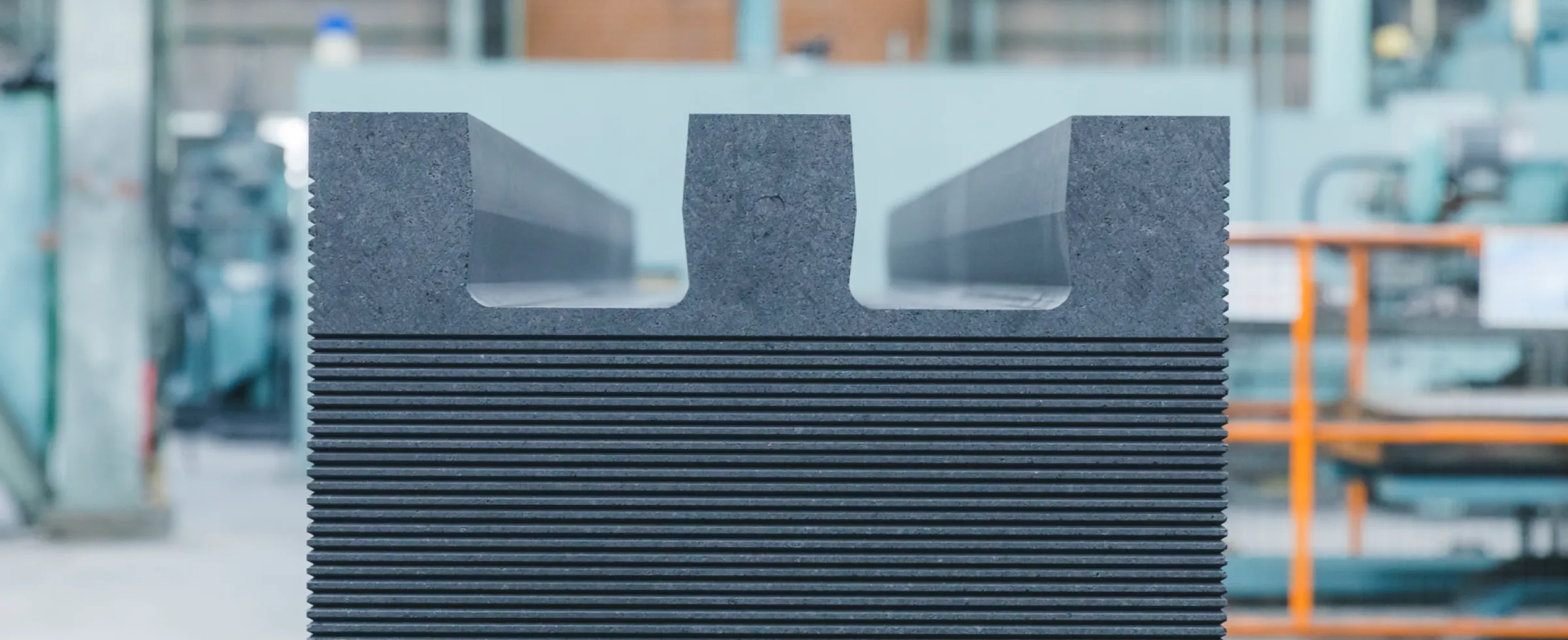
“Cathode Blocks”
Pioneer in Graphitized Cathode Blocks
We were the first in the industry to develop graphitized cathode blocks for aluminum smelting, branded as “SK-B®”, pioneering innovation in the carbon industry. Today, we boast a 40% global market share. As aluminum smelting plants seek to reduce the energy consumption of electrolytic furnaces, our products play a vital role in achieving that goal.

“Carbon-Neutral”
Contribution to Carbon Neutrality
We are working to optimize energy cycles by utilizing technologies that convert CO₂ into carbon and graphite particles. Our goal is to promote the effective utilization of CO₂ not only from our own operations, but also from emissions generated at other companies’ factories, contributing to the realization of a carbon-neutral society.
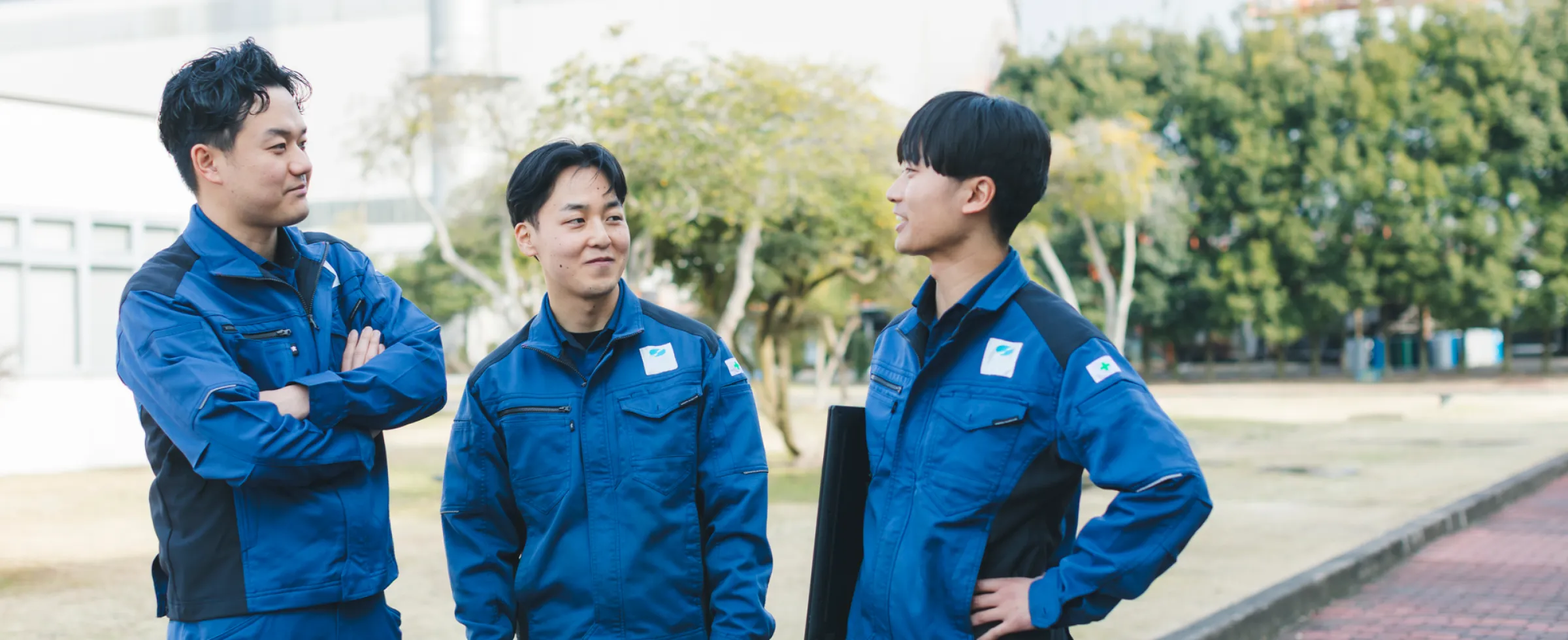
“Work Environment”
Work Environment with Strong Employee Engagement
We are committed to creating a work environment where every employee can take pride in their work and perform at their best. By offering both a supportive atmosphere and opportunities for growth, we strive to foster high employee engagement and enhance long-term corporate value.
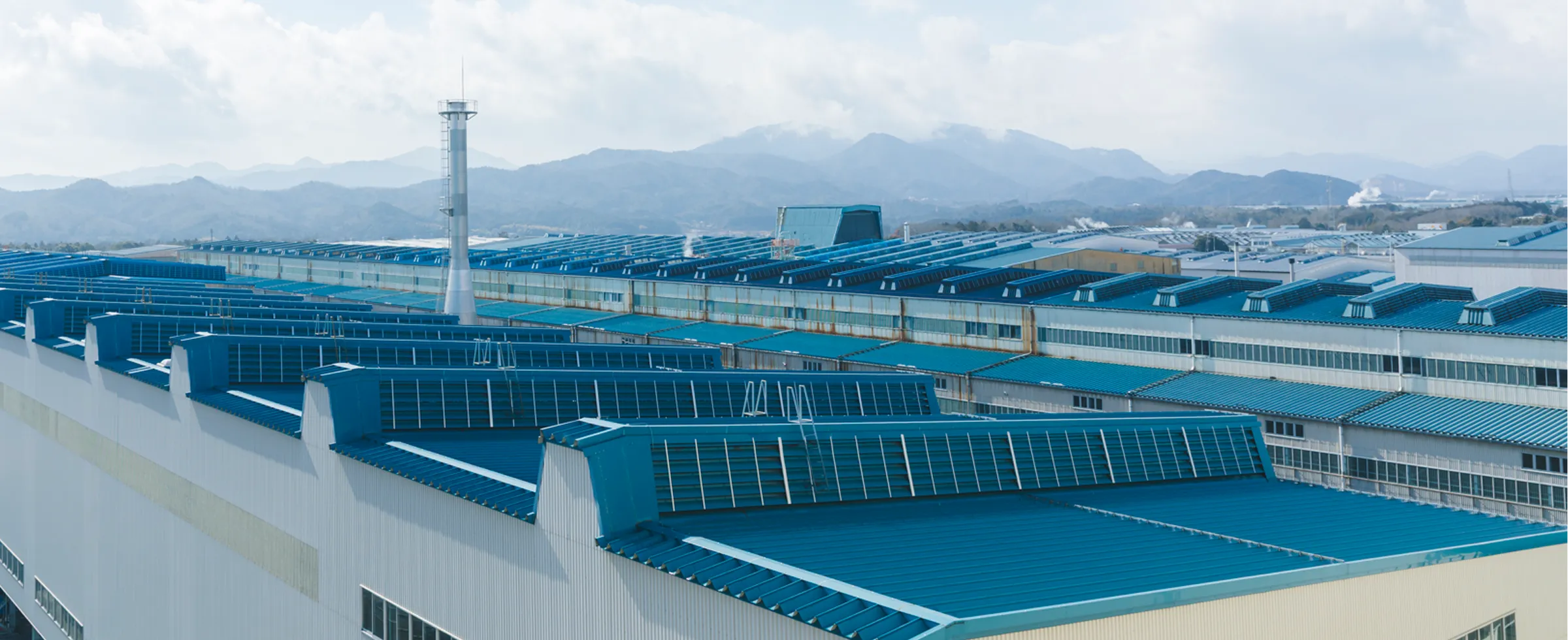
“Plant”
One of the World’s Largest Integrated Carbon Plants
The Kyoto Plant is one of the world’s largest integrated production facilities in the carbon industry. By covering nearly all manufacturing processes in-house, we ensure flexibility, speed, and consistent delivery of high-quality products.