
Molten Salt Electrolysis / Aqueous Solution Electrolysis
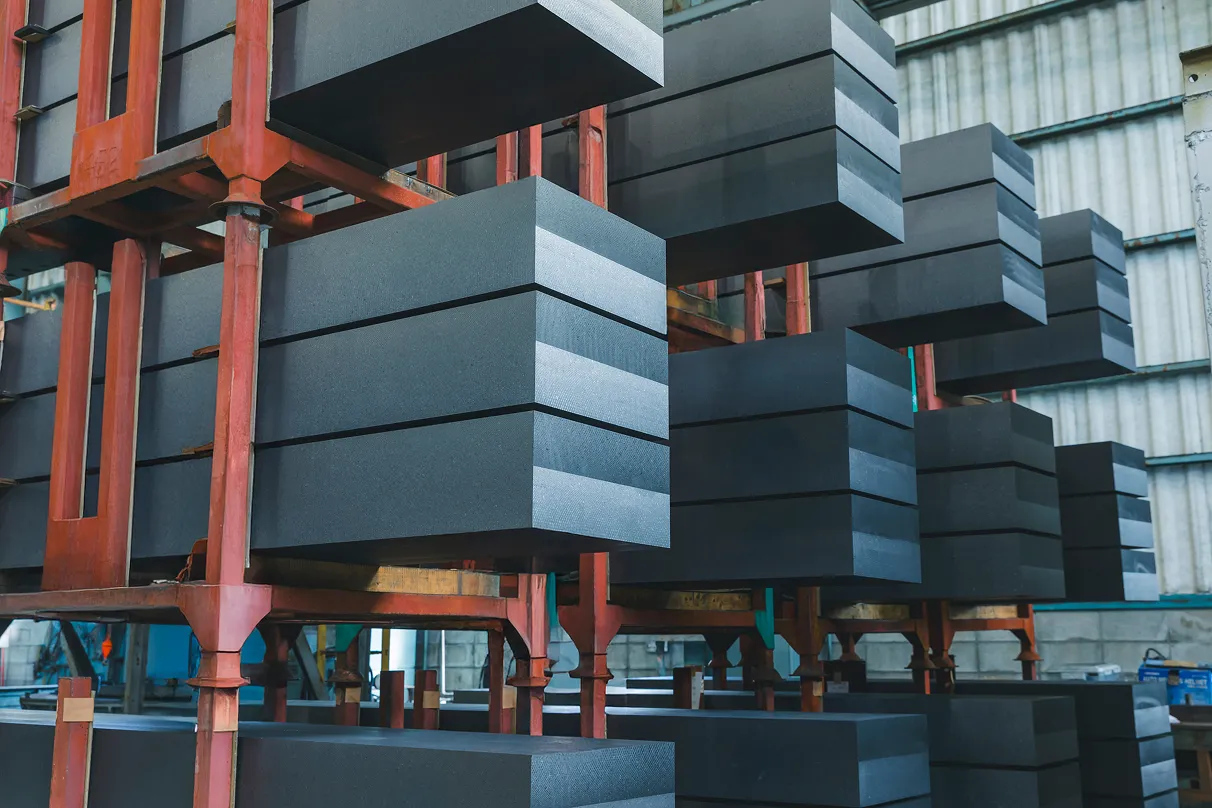
Molten Salt Electrolysis
Molten salt electrolysis is a method of electrolyzing salt by heating solid salt to high temperatures to melt it and then subjecting the molten salt to electrolysis. Metals such as aluminium, lithium, and sodium, which have high ionization tendencies and do not precipitate in aqueous electrolysis, are industrially produced using this method.
How It Is Used
In electrolysis applications, graphite is used as electrolytic plates for extracting target products from ores and brine (seawater, salt lake water) through electrolysis, taking advantage of graphite’s excellent heat resistance, electrical conductivity, and corrosion resistance.
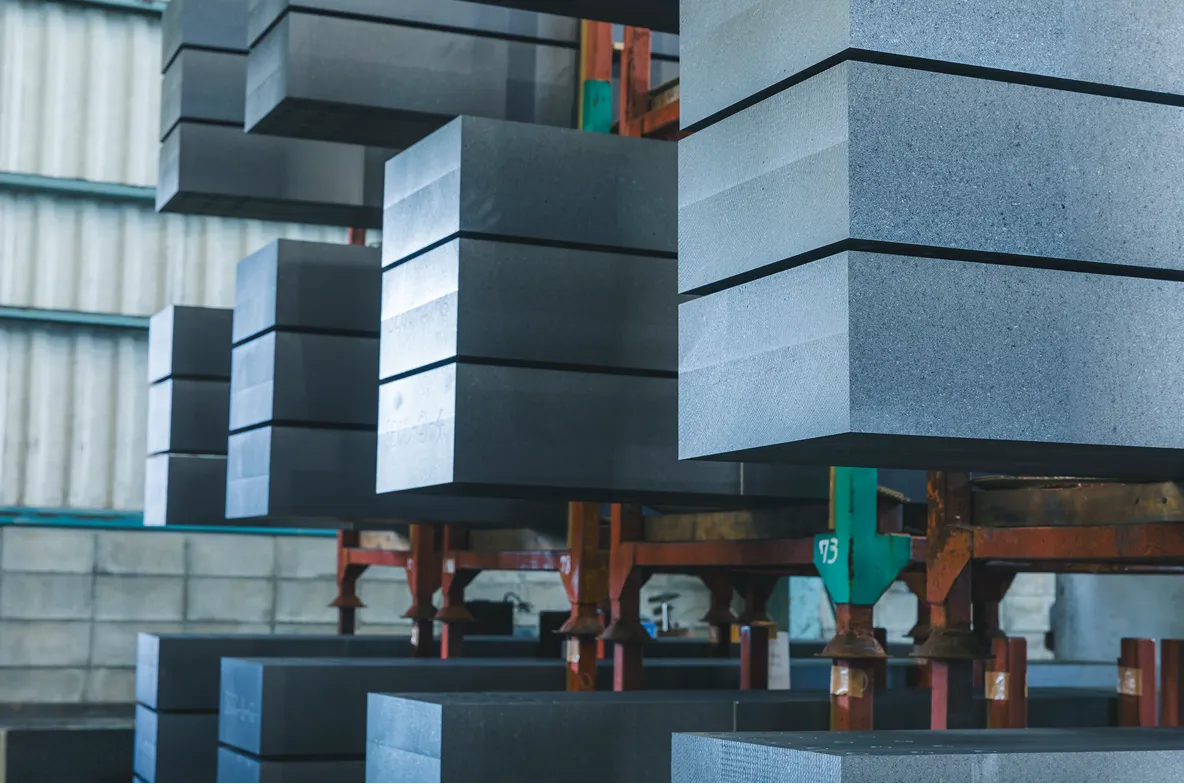
For more detailed information about molten salt electrolysis, please visit the website of our group company, I’MSEP Co.,Ltd.

Application Examples
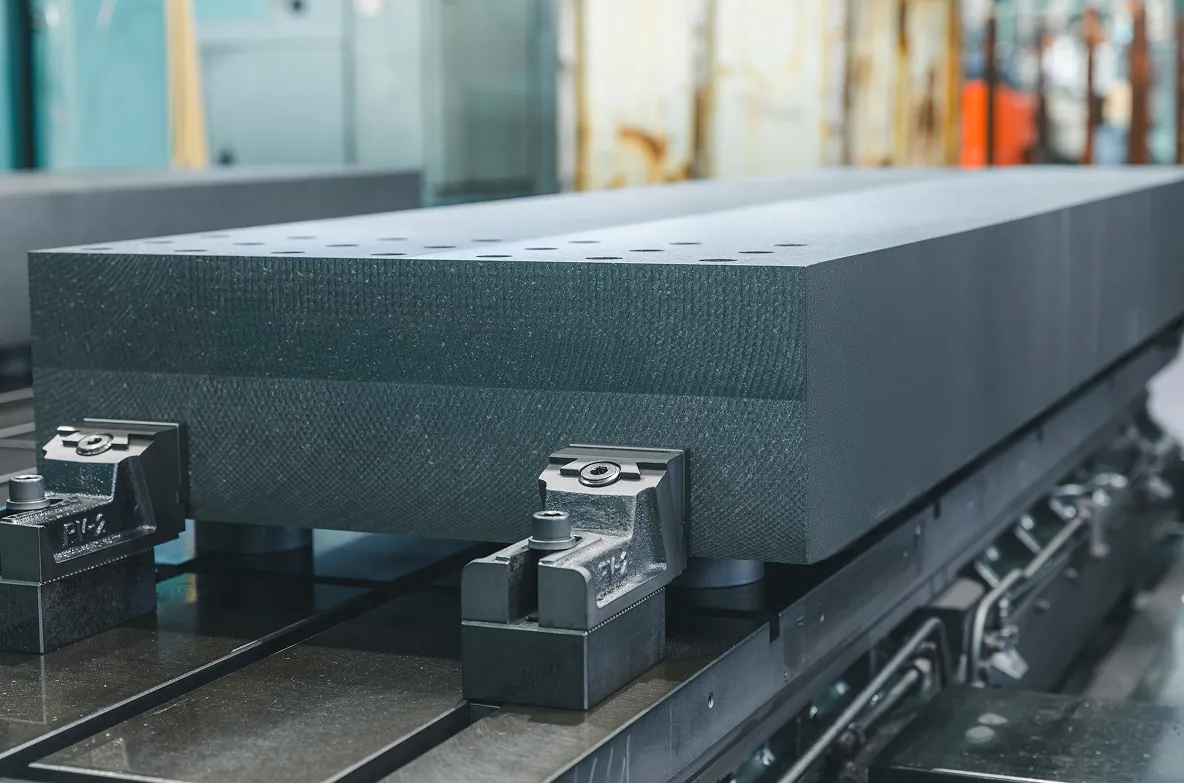
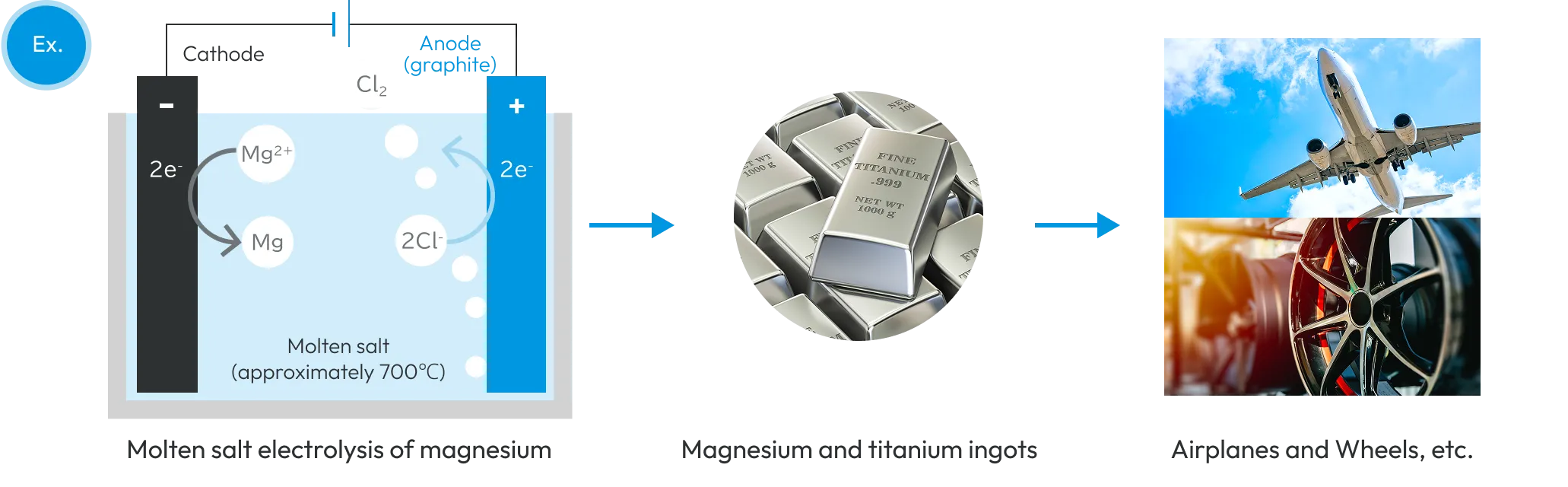
Graphite is used as an anode, a cathode, or both as electrolytic plates for molten salt electrolysis.
In molten salt electrolysis, corrosive chlorine gas may be generated depending on the type of salt used. Our extruded specialty graphite, which excels in electrical conductivity, heat resistance, and corrosion resistance, is utilized as electrode plates for electrolysis.
The Advantages of SEC Carbon Products for Molten Salt Electrolysis
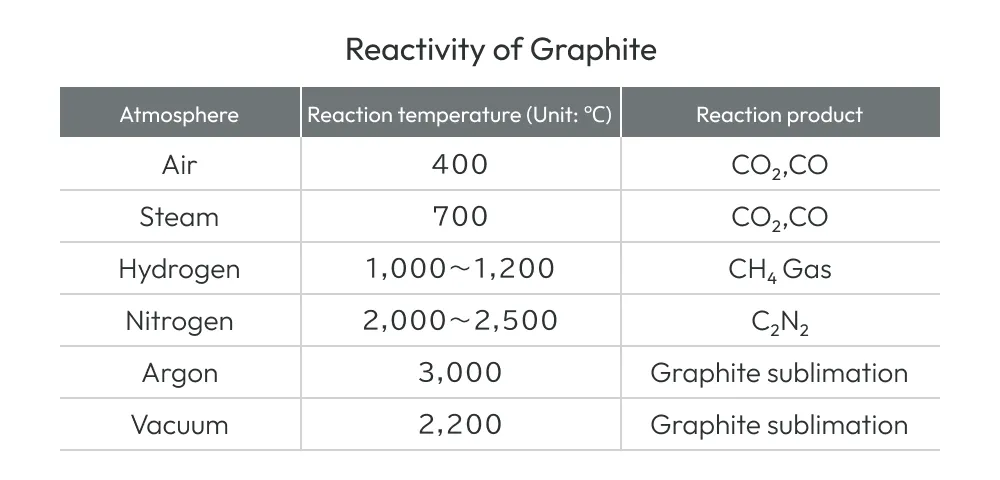
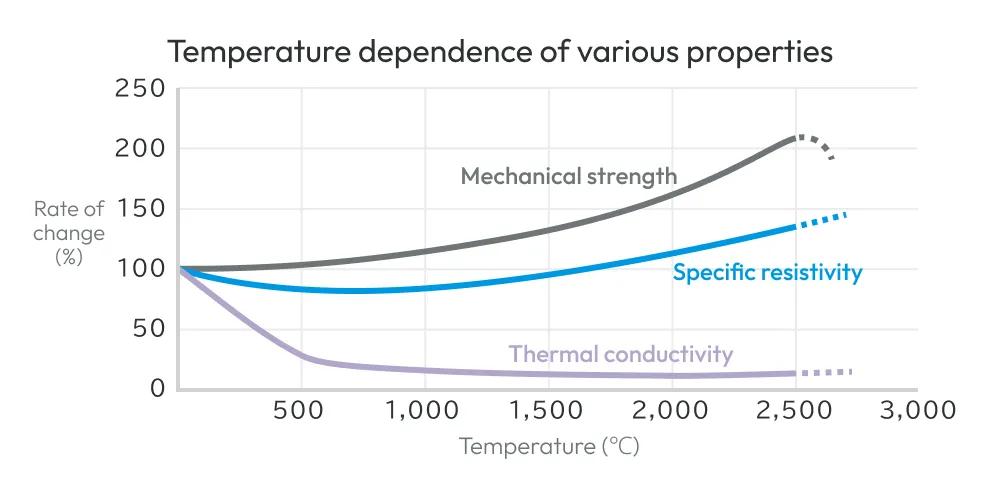
Excellent Heat Resistance
Our Graphite can be used up to approximately 3,000℃ in inert atmospheres and up to about 400℃ in oxidizing atmospheres. One of special characteristics of graphite is that mechanical strength increases as the temperature gets higher up until 2,500℃ in inert atmospheres.
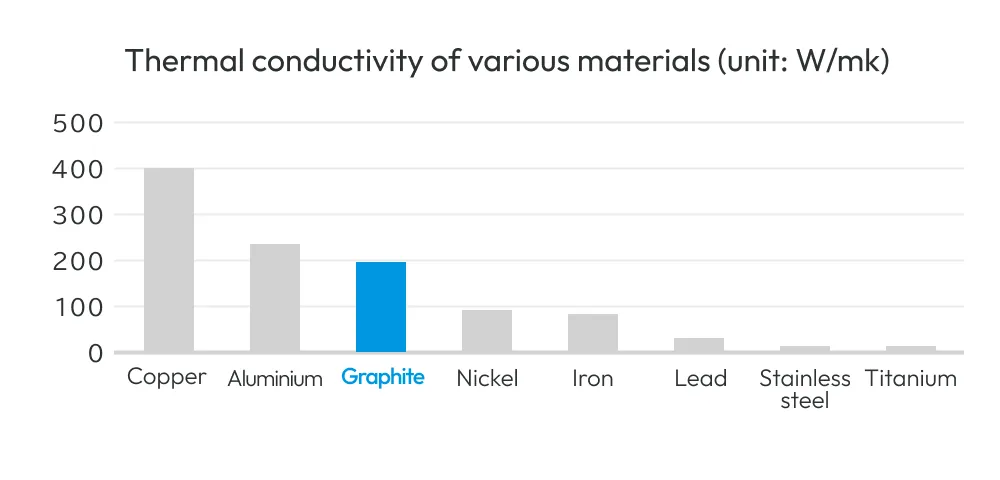
Excellent Electrical/Thermal Conductivity
Our Graphite has the similar thermal and electrical conductivity as those for metal.
Excellent Thermal Shock Resistance
Our Graphite is extremely resistant to the appearance of cracks and fractures even when exposed to sudden heating or cooling.
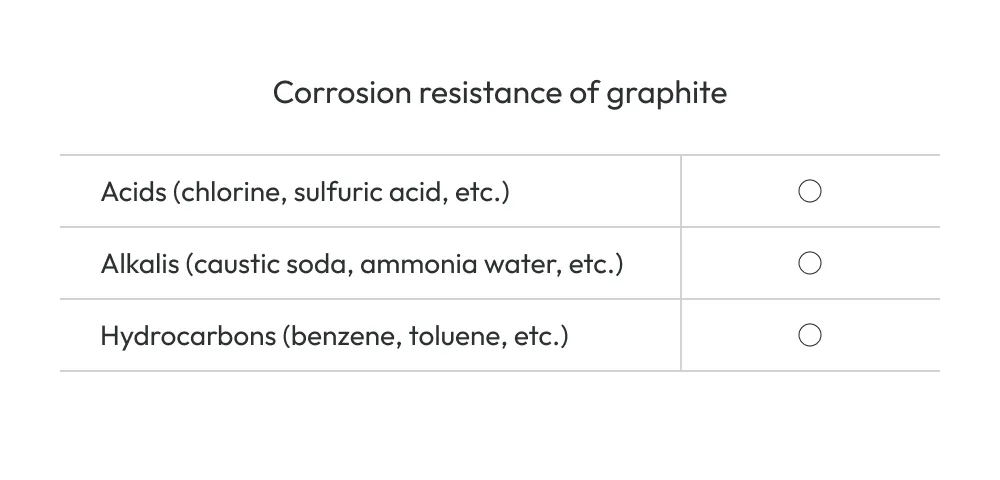
Excellent Chemical Resistant
Our Graphite shows outstanding corrosion resistance against various chemicals.

(Technical) Specification
| Grade | Size (mm) |
Bulk density (g/cm³) |
Specific resistivity (μΩm) |
Bending strength (MPa) |
Features | |
|---|---|---|---|---|---|---|
| Rectangular | PSG-333 | 650 × 490 × 2440 | 1.73 | 4.6 | 19 |
This grade is characterized by low electrical resistivity. It also excels in oxidation resistance and thermal shock resistance, making it an ideal grade for electrolysis applications. |
| 670 × 450 × 3170 | ||||||
| PSG-12 | 670 × 450 × 3000 | 1.74 | 7.5 | 27 |
This grade provides high strength and excellent wear resistance. It offers excellent cost performance and is recommended for environments with severe bath wear. |
|